
Industrial Waste Management: Hazardous and Non-Hazardous
Industrial waste poses a significant challenge to both communities and companies, as it can impact the environment and public health if not handled properly.
Industrial waste is divided into two main types:
hazardous and non-hazardous.
Each type requires specific techniques and methods to ensure environmental safety while providing direct benefits to clients who collaborate with waste management service providers.
Hazardous Industrial Waste
Hazardous industrial waste contains chemical or biological materials that pose a significant threat to public health and the environment. Examples include:
- Heavy metals such as mercury and lead.
- Toxic organic compounds, such as industrial solvents.
- Medical or biological waste containing pathogens.
Methods for Handling Hazardous Waste
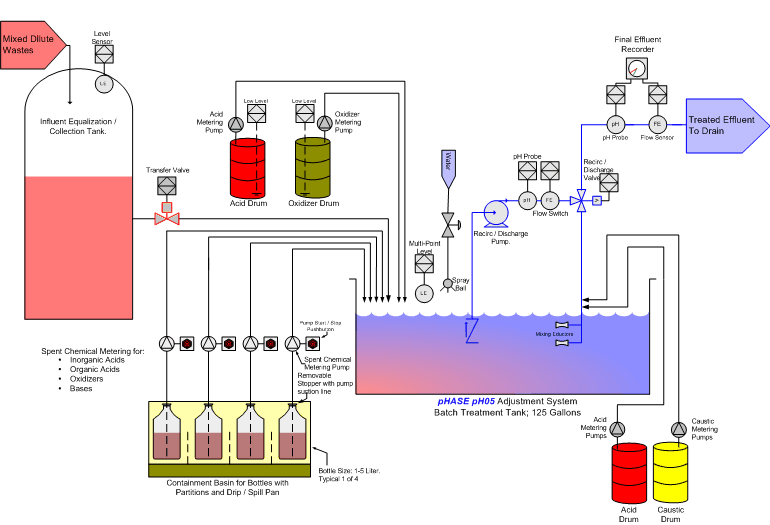
Chemical Treatment
Chemical treatment is used to convert hazardous materials into less harmful substances. This is done using specific chemicals that neutralize or break down the hazardous compounds.
Example: neutralizing acids using bases.
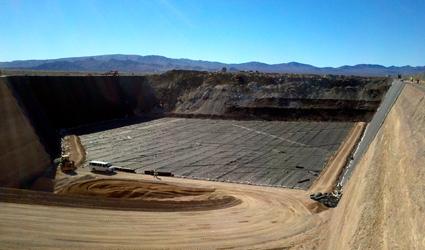
Storage in Dedicated Landfills
Hazardous waste is stored in specially designed landfills to ensure that toxic materials do not leak into the surrounding environment.
Example: landfills with impermeable lining layers.
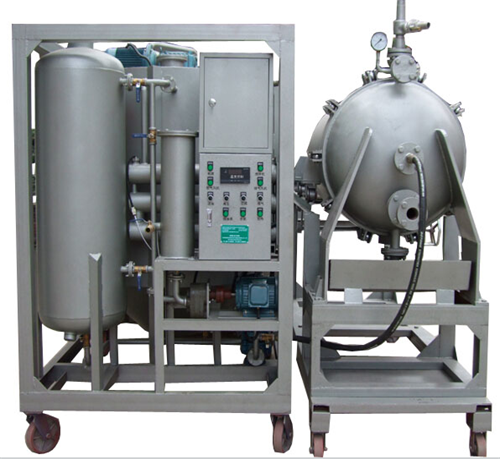
Recycling
Some hazardous waste can sometimes be reused after treatment, such as recycling used oils.
Non-Hazardous Industrial Waste
Non-hazardous industrial waste includes materials that do not pose a significant threat to the environment or public health, such as:
- Construction debris.
- Paper waste.
- Uncontaminated plastic materials.
Methods for Handling Non-Hazardous Waste
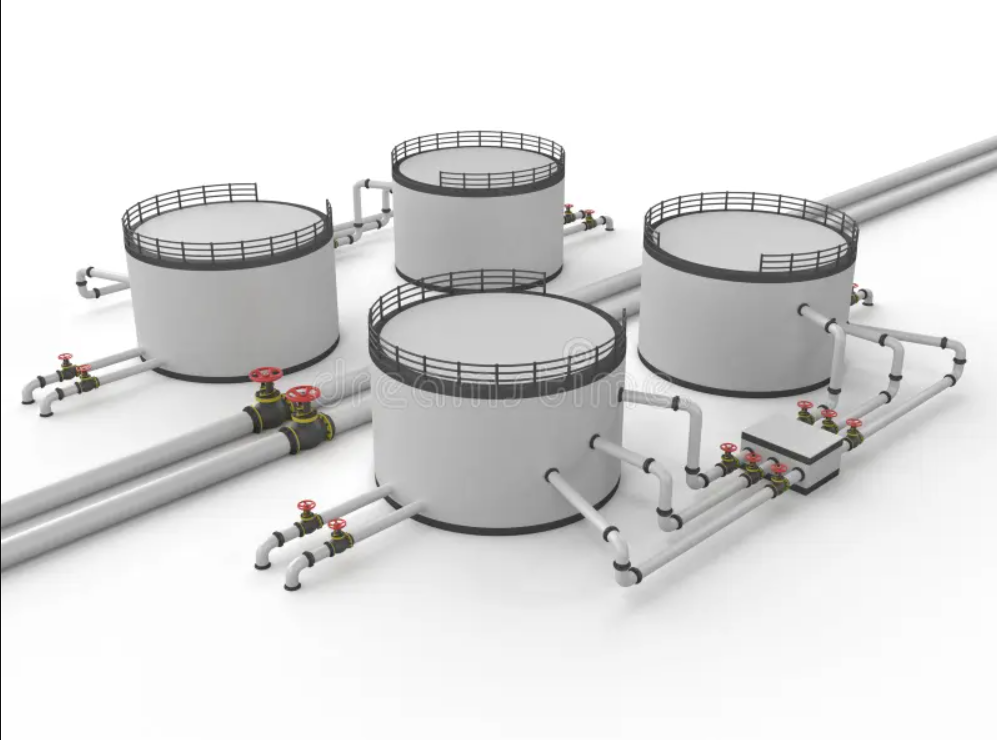
Evaporation Ponds
Evaporation ponds are used to dispose of liquid waste by evaporating water and leaving solid materials or chemical compounds that can be handled separately.
This method is effective for liquid waste with high chemical content.
Benefits of Evaporation Ponds:
- Reduce waste volume.
- Separate recoverable chemical compounds.
- Lower operational costs for the client by reducing the volume of remaining waste.
Challenges of Evaporation Ponds:
- Require large areas of land.
- May be prone to leaks if poorly designed.
Chemical Treatment Ponds
Chemical treatment ponds are one of the most common methods for handling both hazardous and non-hazardous industrial waste. Waste is treated using chemicals to neutralize or modify harmful properties.
Treatment Stages:
- Chemical addition: Chemicals such as chlorine or caustic soda are added depending on the nature of the waste.
- Mixing: Waste and chemicals are thoroughly mixed to ensure complete reaction.
- Separation: The resulting materials are separated to determine disposal or reuse methods.
Environmental Benefits of Industrial Waste Management
- Protect natural resources: Recycling and reuse reduce the need to extract new resources.
- Reduce pollution: Chemical treatment and evaporation reduce the amount of toxic materials released into the environment.
- Promote sustainability: Proper waste management contributes to achieving sustainable development goals.
Legal and Administrative Frameworks for Waste Management
Industrial waste management follows local and international laws and regulations to ensure compliance with sound environmental practices. Governments provide guidelines and support programs to encourage companies to adopt eco-friendly treatment technologies.
Technology and Innovation in Waste Management
- Use of Modern Technologies:
- Develop more efficient chemical treatment ponds.
- Design innovative evaporation ponds to reduce excessive evaporation and preserve valuable materials.
Benefits for Clients:
- Reduce costs through technologies that minimize losses.
- Improve the company’s environmental performance.
Corporate Social Responsibility
Encouraging companies to integrate waste management strategies into their plans. Compliance with environmental standards enhances their reputation with clients and partners.
Conclusion
Industrial waste management is not only an environmental obligation but also an opportunity to achieve economic gains and strengthen corporate reputation. By collaborating with specialized waste management service providers, clients can achieve cost savings, improve operational efficiency, and ensure compliance with environmental regulations.